How to Mount a TV on a Brick Wall Without Damage
Mounting a TV on a brick wall requires selecting the correct TV bracket, using a masonry drill bit of the appropriate size, and securing the bracket with brick-rated anchors. The technique involves drilling directly into sound brick rather than deteriorating mortar joints to create a secure fixing. This method ensures a safe, damage-free installation.
A mandatory safety step before drilling is checking for concealed utilities such as electrical cables or pipes. Improper installation from incorrect drilling or unsuitable anchors risks cracking the masonry or creating an insecure fixing. When performed correctly, the drilled holes are small and remain hidden behind the TV's mounting plate.
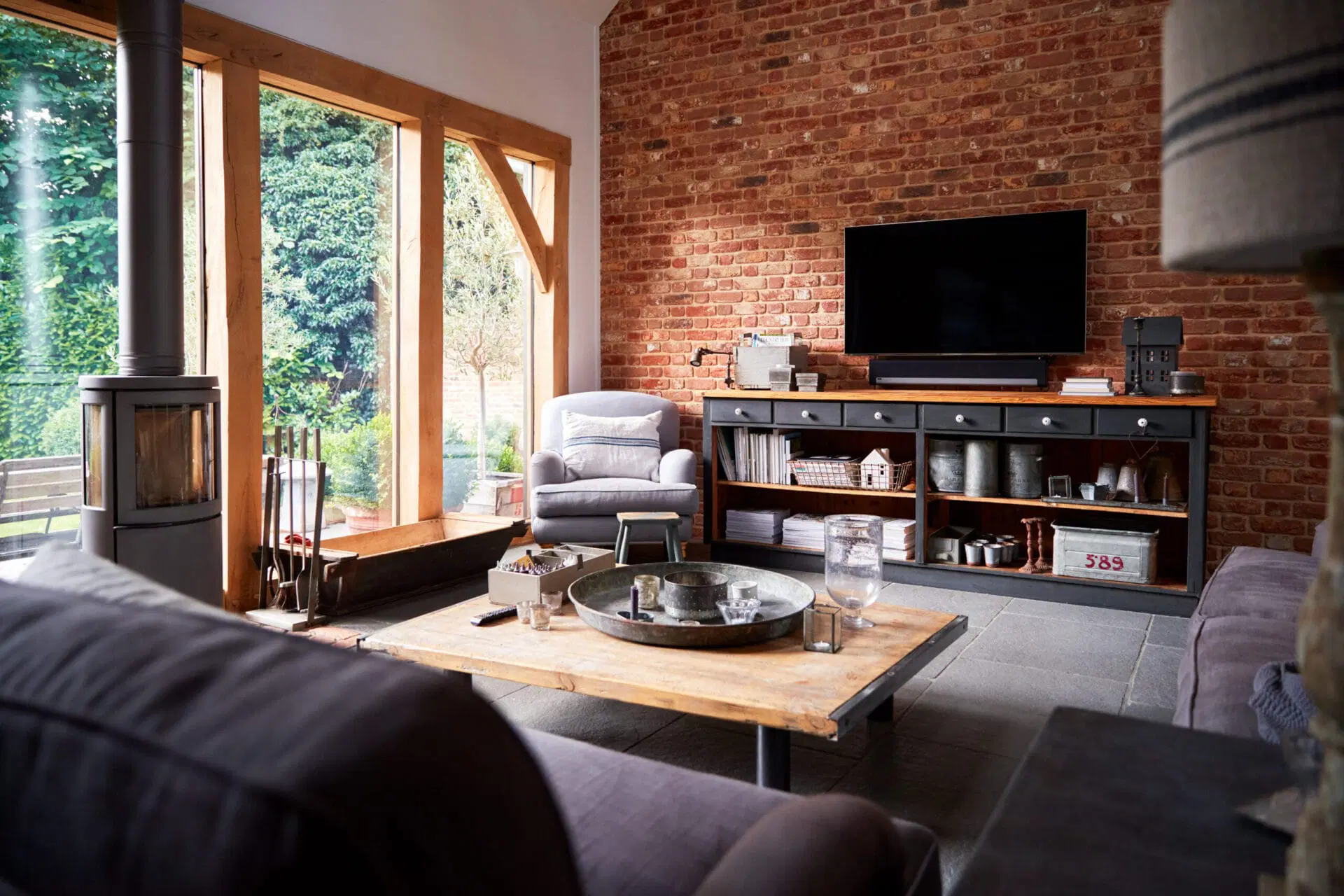
What is the Right TV Wall Mount for a Brick Wall?
Selecting the correct mount is the first step for a secure TV installation on a brick wall. The chosen mount must fit your television and be strong enough for masonry fixings. Key considerations include the TV's weight, its VESA mounting pattern, and the desired screen position.

TV Weight and Size Considerations
Identify your television's weight and VESA mounting pattern from the user manual or the manufacturer’s website before purchasing a mount. The VESA standard defines the distance between the four mounting holes on the back of a TV. The mount’s specified weight capacity must exceed your television's weight to guarantee a safe installation for large screens in Kenyan homes and office boardrooms.
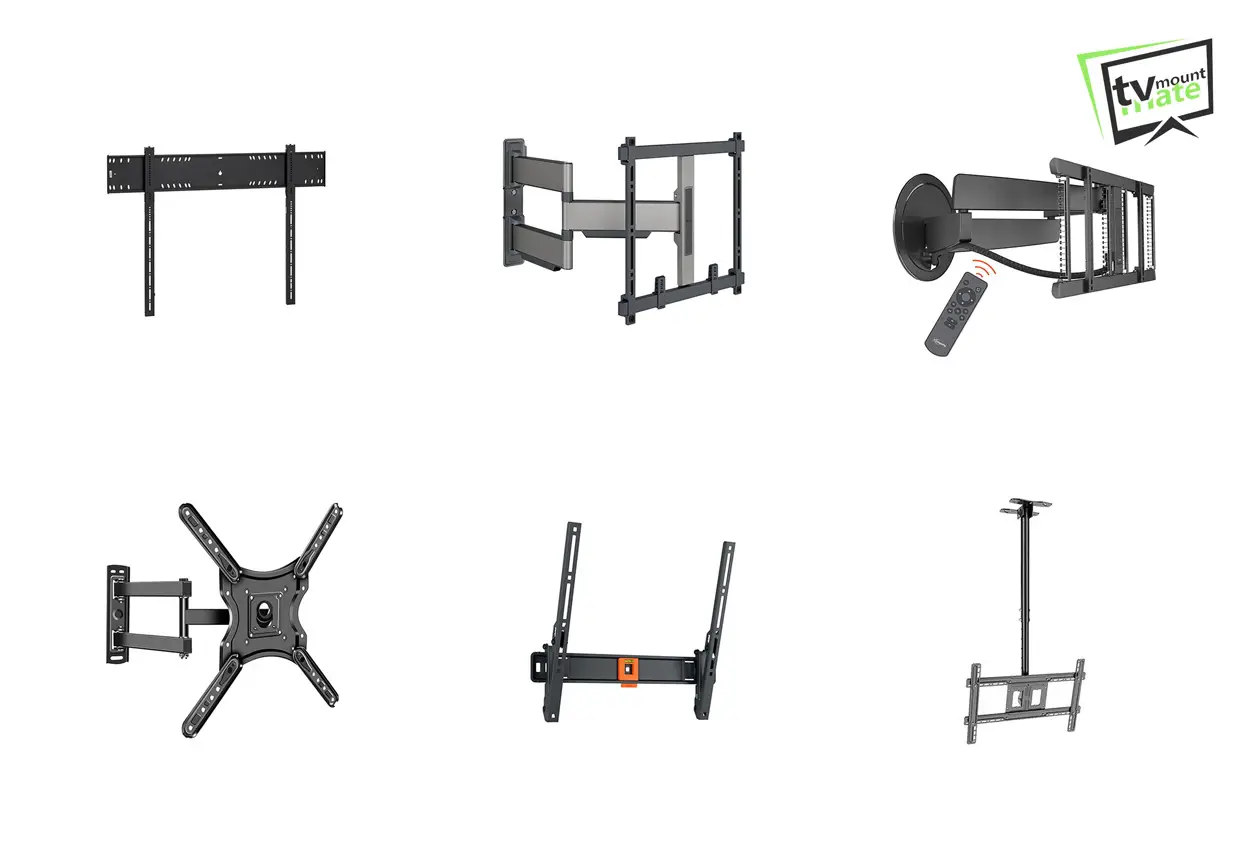
Types of Brackets Fixed, Tilting, or Full-Motion
There are three primary types of TV brackets. Fixed mounts keep the TV flat against the wall and suit seating areas with a static viewing position. Tilting mounts allow for vertical angle adjustments, which helps to reduce glare or adapt to a high mounting position. Full-motion mounts offer the most flexibility, allowing the TV to be pulled from the wall and swivelled, which is ideal for large rooms with multiple viewing angles.
How to Drill into a Brick Wall for a TV Mount
Precision is necessary when drilling into masonry to avoid cracking the brick or creating an insecure fixing point. The process requires careful measurement, the correct tools, and a methodical technique to ensure the holes are clean, correctly sized, and positioned for maximum strength.
Essential Drilling Tools and Masonry Bits
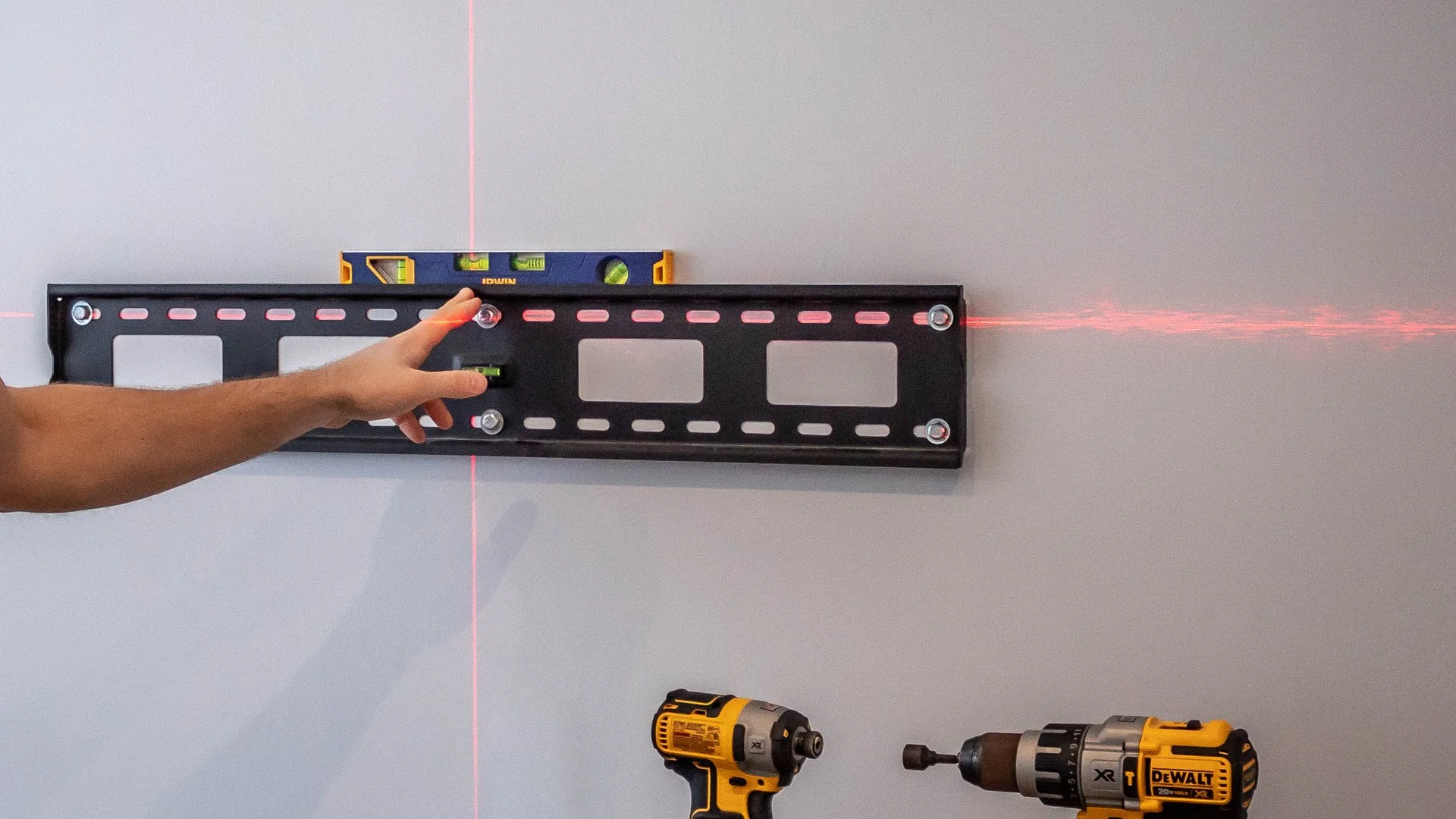
A hammer drill is the correct tool for drilling into brick or concrete, as its percussive action breaks through hard material. You must use carbide-tipped masonry drill bits that exactly match the diameter required by your wall anchors. Other required tools include a spirit level, tape measure, marking pencil, and safety glasses.
Marking, Drilling Depth, and Technique
Mark the precise drill points on the brick face using the wall mount as a template and a spirit level, avoiding mortar joints. Measure the length of your wall anchor and mark this depth on the drill bit with tape to avoid drilling too deep. Start drilling slowly to create a pilot indentation before increasing speed with firm, steady pressure, which prevents the bit from wandering and damaging the brick.
What are the Best Anchors for Mounting a TV on Brick?
Standard plastic wall plugs are insufficient for the weight of a modern television. A secure fixing in solid brick requires heavy-duty masonry anchors that expand to provide a high-strength anchor point.
Hardware stores in Nairobi and across Kenya stock appropriate fixings like sleeve anchors, shield anchors, or expansion bolts. These metal anchors offer a more reliable hold in solid masonry than plastic plugs and are a mandatory component for a safe TV installation.

How to Check for Hidden Wires and Pipes Before Drilling
Checking the wall for concealed electrical cables and water pipes is a mandatory safety step before drilling. Drilling into a live wire can cause serious injury, while hitting a water pipe leads to significant water damage. This check is particularly important in older Kenyan properties where utility routing may be unpredictable.
Tools for Cable and Pipe Detection
An electronic multi-scanner is the most reliable tool for detecting hidden utilities. These devices scan the wall surface to detect metal pipes and live AC wiring. If your property's architectural or electrical plans are available, the plans can also offer guidance on utility locations.
Safety Protocols for Drilling into Walls
Always wear safety glasses when drilling. If a detector indicates the presence of a utility, do not drill in that location and reposition the TV mount. For added precaution, you can switch off the main electrical breaker and shut off the main water supply before drilling, though this does not protect against every risk.
Key Equipment for Mounting a TV on Brick
| Component | Specification | Reason |
|---|---|---|
| Drill Type | Hammer Drill | Provides percussive action needed for masonry. |
| Drill Bit | Carbide-Tipped Masonry Bit | Matches anchor diameter for a secure fit. |
| Anchor Type | Sleeve or Shield Anchors | Offers high-strength fixing in solid brick. |
| Safety Check | Electronic Multi-Scanner | Detects hidden pipes and live cables. |
What Common Mistakes to Avoid When Mounting a TV on Brick
Several common errors can compromise the safety and appearance of a TV installation on a brick wall. Avoiding these mistakes ensures a secure and lasting result.
- Drilling into Mortar: Always drill into the solid face of the brick. Mortar is weaker and can crumble, resulting in an insecure fixing.
- Using Incorrect Drill Bits: A drill bit that is the wrong size or type will create a hole that is too large for the anchor to grip properly.
- Improper Tightening: Over-tightening the mounting bolts can crack the brick, while under-tightening leaves the entire installation loose and unsafe.
How Does TV Mounting Differ for Hollow Blocks vs Solid Brick?
Many Kenyan properties use hollow concrete blocks instead of solid bricks, which requires a different mounting technique. You can identify the wall type by tapping it; a solid wall sounds dull, whereas a hollow block produces a resonant, empty sound.
Mounting a heavy TV on hollow blocks requires specialist fixings like heavy-duty toggle bolts or specific hollow-wall anchors. These fixings are designed to expand and grip the inside of the block's cavity. A professional assessment is recommended for hollow block walls to confirm the material can bear the television's load.
When Should You Hire a Professional for TV Mounting in Kenya?
Professional installation is the recommended course of action in specific situations. Hire a professional installer if you have a very large television, are mounting onto a hollow block wall, or do not have the correct tools and experience.
Our installation team provides a secure fitting that is integrated into your room's design. This service includes neat cable management and precise placement as part of a complete interior scheme.
Integrate Your TV Mount with Custom Joinery and Fit-Outs
A wall-mounted TV is one component of a complete living room, boardroom, or reception area. Custom joinery creates a fully integrated and functional space. A bespoke media unit conceals cables, houses AV equipment, and adds storage, turning a simple TV wall into a design feature.
Interior Design Studio Kenya provides complete solutions from space planning to final installation. Our Custom Joinery & Fit-Outs and Residential Interior Design services ensure all elements work in harmony. We offer the same precision for business environments through our Commercial & Corporate Design services. Contact us to request a quote for a specified, fitted interior for your property in Kenya.