How to Choose a Wood and Tile Floor Color Scheme
A cohesive wood and tile floor scheme matches the undertones of the materials rather than their surface colours. This professional approach pairs warm timbers with cream, beige, or terracotta tiles, and cooler wood tones with grey or cool neutral surfaces to avoid a visually mismatched finish. Our interior design studio in Kenya specialises in creating harmonious floor transitions, specifying wood and tile combinations that reflect your project's aesthetic and functional needs.

What Are Warm and Cool Undertones in Flooring?
The first step in selecting a floor palette requires identifying the underlying colour temperature of your chosen materials. Warm undertones in wood appear as red, orange, or golden hues, which are evident in timbers like mahogany or classic teak. For tiles, warmth is found in cream, beige, terracotta, and earthy browns.
These warm colours create an inviting and grounded atmosphere in any interior space.
Cool undertones in flooring lean towards grey, blue, or muted taupe. Wood finishes like grey-washed oak, ash, or certain darker stains carry a cooler, contemporary feel. These cool woods pair naturally with tiles in shades of grey, charcoal, muted blues, or crisp whites. Identifying these base tones correctly dictates the overall mood of the space.
In Kenyan properties, material samples must be assessed in the actual room. The quality of natural light, from the bright morning sun in a Kileleshwa apartment to the softer afternoon light in a Karen home, significantly alters how undertones are perceived. This on-site evaluation is essential for an accurate specification, as artificial lighting will have a different effect again.

How to Pair Warm Wood Floors with Complementary Tiles
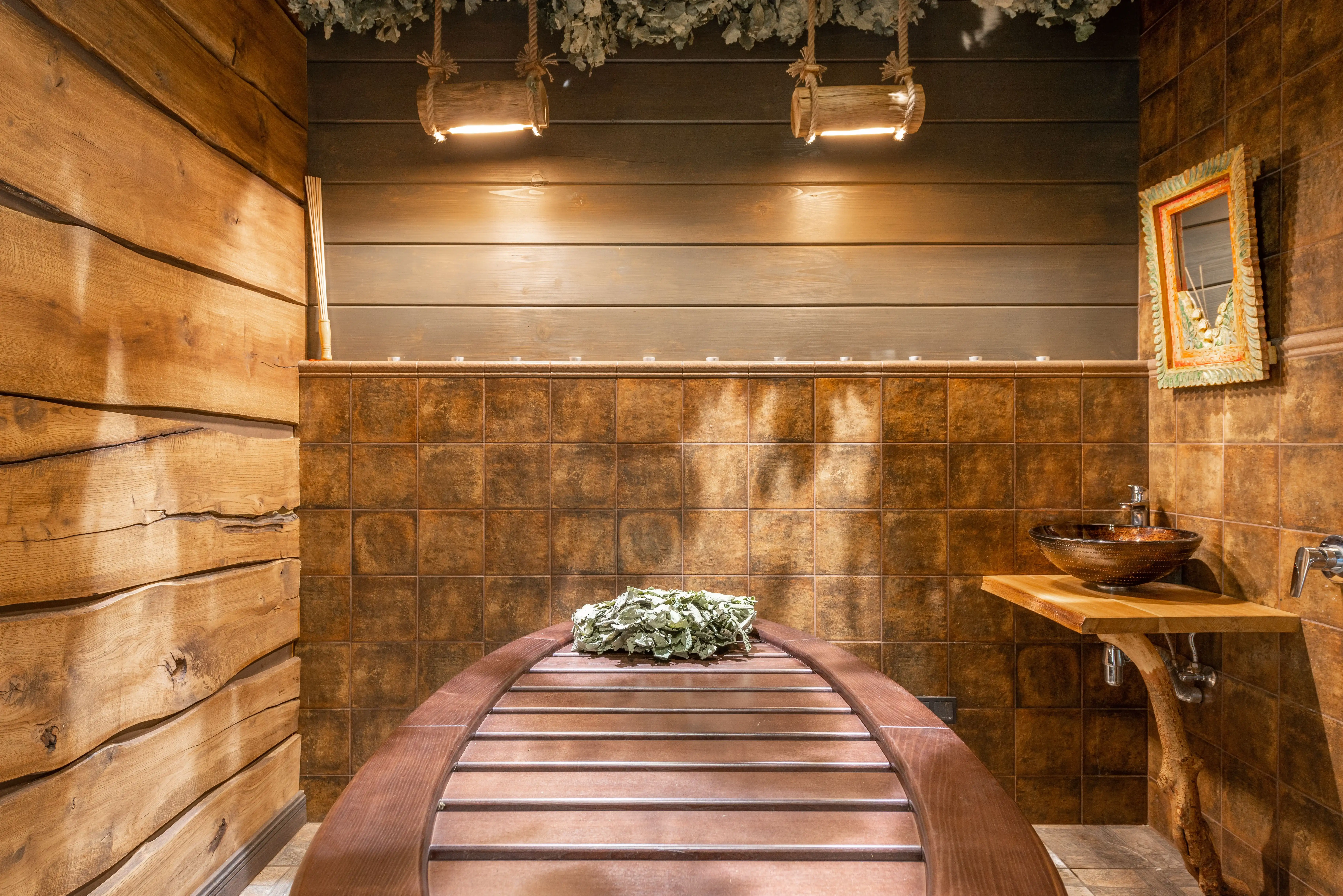
Pairing warm wood floors with complementary warm tiles creates a natural and continuous flow in spaces designed to feel welcoming. Timbers commonly used in Kenya, such as mvule, teak, or mahogany, have rich, golden, or reddish undertones. These woods harmonise well with ceramic or porcelain tiles in shades of cream, sand, or a warm, light beige.
A warm wood and tile combination is highly effective in residential projects, creating a smooth transition from a timber-floored living room to a tiled kitchen. For commercial spaces in Nairobi, such as reception areas or boutique hospitality settings, this warm palette establishes an immediate sense of comfort. The choice of grout is also important; selecting a grout colour that aligns with the tile's warm tone enhances the cohesive finish.

How to Combine Cool-Toned Wood with Tiles in Modern Interiors
Modern architectural styles, popular in Nairobi’s developments, often require a cooler, more restrained colour palette. Cool-toned wood flooring, such as engineered oak with a grey wash or ash, provides a sophisticated foundation for these interiors. These woods combine effectively with porcelain or stone tiles in shades of grey, charcoal, slate, or cool off-whites.
This flooring approach is well-suited for corporate offices, minimalist apartments, and contemporary retail spaces where a clean aesthetic is desired. Texture can add visual interest and prevent the space from feeling stark. A large-format matte grey tile, for instance, pairs well with a wood floor that has a subtle grain, adding depth without introducing conflicting colours.
Why Undertones Matter More Than Surface Colour in Floor Design
An attempt to find a wood and a tile with an exact surface colour match is a common mistake in flooring selection. This approach often fails because different materials reflect light differently, and slight colour variations create a jarring, "near-miss" effect.
Focusing on a shared undertone is the superior design principle. When the underlying colour temperature is consistent, the two materials feel like they belong together, even if their surface colours and textures are distinct. For example, a reddish-brown timber floor and a soft terracotta tile work together because they share a warm, earthy base. This alignment creates a subtle harmony that a simple surface colour match cannot achieve.

How to Blend Patterned and Plain Flooring Materials
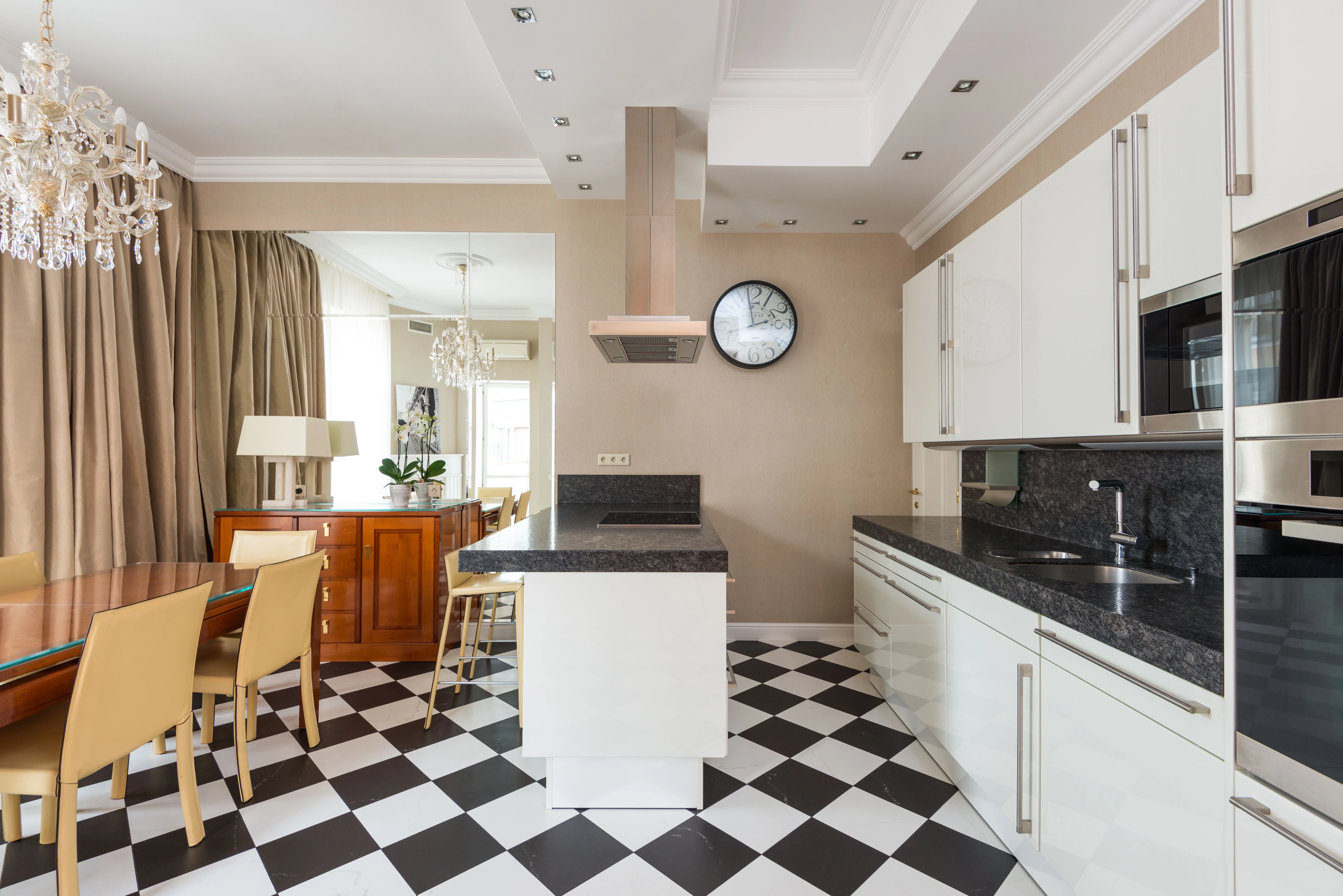
Balancing the visual weight of your flooring materials is important for a refined interior. If one of your materials has a strong pattern, such as wood with a prominent grain or a decorative tile, the other material should be visually quieter. Pairing two busy materials can overwhelm a space, making it feel chaotic.
For instance, a timber with a distinctive grain pattern should be paired with a simple, solid-coloured porcelain tile with minimal veining. Conversely, an intricate geometric tile used as a feature in a kitchen or entryway should adjoin a wood with a very straight, subtle grain. The quieter material provides a necessary visual rest, allowing the patterned surface to have a greater impact. The transition itself must be specified to be as unobtrusive as possible.
What Are the Key Durability Factors for Kenyan Wood and Tile Floors?
Practical considerations of durability are critical for any specified interior in Kenya. The local climate, particularly humidity fluctuations in Nairobi, affects material performance. Wood naturally expands and contracts with moisture changes, making professional installation with adequate expansion gaps a necessity. Tiles are more stable, but grout can be susceptible to staining if not correctly specified and sealed.
Maintenance needs also differ. Wood flooring requires specific cleaning methods to protect its finish. Tile, especially porcelain, is exceptionally hard-wearing and easy to clean, making it ideal for high-traffic zones. Grout lines, however, require regular cleaning to prevent discolouration. Our design process considers these factors, selecting materials appropriate for their intended function, such as durable porcelain for an office reception and resilient engineered wood for a private residence.
This table summarises common wood and tile flooring combinations based on undertone.
| Undertone | Recommended Wood Types | Complementary Tile Colours |
|---|---|---|
| Warm | Teak, Mvule, Mahogany, Red Oak | Cream, Beige, Terracotta, Sand |
| Cool | Grey-Washed Oak, Ash, Dark-Stained Walnut | Light Grey, Charcoal, Slate, Cool White |
| Neutral | Natural Oak, Maple, Bamboo | Taupe, Greige, Off-White, Muted Stone |
How Flooring Integrates with Your Overall Room Design
The floor is the foundation of any interior design scheme and sets the tone for all other elements, from wall colours to custom joinery. A well-chosen wood and tile floor combination acts as a visual anchor that unifies the space. The flooring choice directly contributes to the desired design style, whether it is the natural feel of a rustic home or the clean lines of a contemporary office.
In the open-plan layouts common in many Kenyan properties, a thoughtfully planned floor transition is especially important. A seamless flow of complementary materials can connect distinct functional areas while maintaining an expansive feel. At Interior Design Studio Kenya, we approach flooring as an integral component of the complete architectural and interior vision for a project.
When to Engage an Interior Designer for Your Floor Scheme
Translating design principles into a flawless, durable finish requires technical expertise. Engaging a professional interior design studio is a prudent step for large-scale projects or when a high-end, bespoke finish is required. An interior designer provides value that extends beyond aesthetic advice.
Our studio manages the entire process, from material specification and sourcing from trusted Kenyan suppliers to technical oversight of the installation. We ensure that transitions between wood and tile are executed perfectly and that chosen materials are appropriate for the project's demands. For homeowners and developers, our involvement guarantees coherence and protects your investment through professional project management. Our services, including Residential Interior Design, Commercial & Corporate Design, and Custom Joinery, depend on this foundational expertise.
How to Start Planning Your Specified Kenyan Interior
A well-executed floor scheme is the cornerstone of a distinguished interior. If you are planning a residential or commercial project in Nairobi or across Kenya and require a professionally managed finish, our team can assist. We provide a complete service, from initial concept to final handover.
To discuss your project requirements and learn how our expertise in Architectural Finishes and Turnkey Project Management can bring your vision to life, please contact us. We invite you to schedule a personalised consultation through our website.