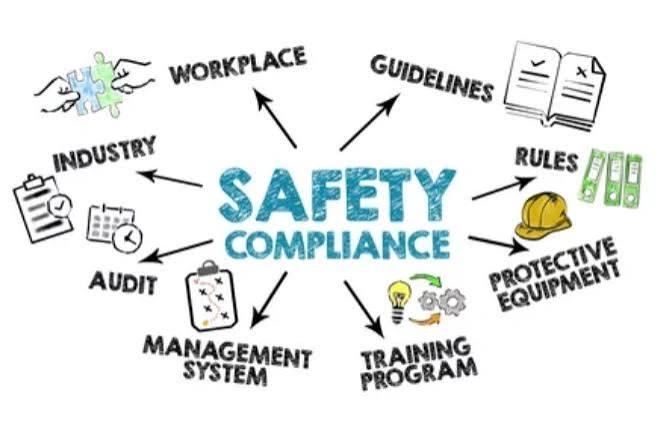
NEMA Compliance & EIA Studies provide essential environmental regulatory approvals for your specified and fitted interior design project across Kenya. Interior Design Studio Kenya integrates these necessary approvals directly into your build's physical execution.
The NEMA approval process requires an Environmental Impact Assessment (EIA) before construction. An EIA evaluates and mitigates a build's potential environmental effects. Integrating NEMA compliance ensures your commercial or residential space matches approved environmental designs, preventing costly project delays.
What is NEMA Compliance and Why is it Mandatory for Kenyan Projects?
The National Environment Management Authority (NEMA) oversees environmental protection and sustainable development in Kenya. For the built environment, NEMA compliance guarantees new builds, commercial fit-outs, and significant residential interior modifications adhere to national environmental laws. Kenyan law requires developers and property owners to secure NEMA approval before commencing construction or major alterations.
NEMA statutory approval is a strict legal requirement for projects in Kenya, including office fit-outs in Nairobi or residential developments nationwide. The regulation applies to projects altering land use, generating significant waste, or requiring high energy and water inputs. Ignoring NEMA's mandate halts site progress and exposes property owners to legal action.
What Does an Environmental Impact Assessment (EIA) Study Involve in Kenya?
An Environmental Impact Assessment (EIA) study identifies and evaluates the potential environmental consequences of a proposed interior design or construction project. The EIA process in Kenya begins with screening, which determines the necessary assessment level. Scoping then identifies key environmental issues.
Registered lead experts predict potential environmental impacts and develop an Environmental Management Plan (EMP) to mitigate them. EIA studies for built interiors and fit-outs typically evaluate construction waste management, water and energy consumption, and noise pollution during installation. They also assess the sustainable sourcing of interior finishes.
EIA findings directly influence design adjustments and material specifications. This ensures the finished space operates efficiently and legally. The EMP serves as an active rulebook for the principal contractor, dictating working hours, waste disposal methods, and dust suppression techniques during the fit-out phase.
What are the Key Stages for Obtaining NEMA Approval for Kenyan Projects?
Securing NEMA approval requires a structured sequence of assessments and submissions across Kenya. The process moves from initial assessment through to ongoing site verification:
- Site Screening and Scoping: Licensed environmental experts evaluate the proposed property. They determine the necessary depth of the environmental study based on the project scale.
- Report Preparation: Experts compile and submit either a Summary Project Report (SPR) or a full Environmental Impact Assessment (EIA) study report to the local authority.
- Authority Review and Public Participation: NEMA evaluates the design, mitigation measures, and material schedules. NEMA often collects feedback from local communities for larger commercial or institutional developments.
- License Issuance and Verification: NEMA issues the environmental license with specific conditions. The project execution team must uphold and verify these conditions throughout the construction phase.
How NEMA Compliance Affects Project Timelines and Budgets
Factoring NEMA compliance into your initial planning stage protects project timelines and controls costs. Direct expenses include the fees for the EIA study and the NEMA application. Indirect costs often involve necessary design modifications or changes to material specifications to meet environmental standards.
Failing to secure NEMA approvals upfront leads to severe financial consequences. These consequences include project stoppages, daily penalty fees, or mandatory re-designs mid-build. Proactive integration of environmental planning prevents these project delays. By specifying compliant materials and planning waste management strategies from the concept stage, property owners avoid compounding costs from paused contractors and extended site lease agreements.
The Risks of Non-Compliance with NEMA Regulations in Kenya
Bypassing NEMA regulations exposes developers and business owners to severe legal and operational liabilities. Kenyan environmental law enforces strict penalties for non-compliance. Penalties can include substantial financial fines and potential imprisonment for responsible parties.
Operationally, NEMA inspectors hold the authority to issue improvement notices. They can also halt site works immediately or mandate the demolition of non-compliant structures. Lacking correct statutory approvals damages reputations, invalidates property insurance policies, and complicates future property transactions or secondary business license acquisition.
Distinguishing NEMA Compliance from Other Statutory Approvals
Navigating Kenyan construction regulations requires distinguishing between multiple statutory bodies. Managing these statutory permits concurrently prevents bureaucratic delays. This also ensures the final fitted interior meets all national standards.
| Statutory Approval | Regulatory Body | Primary Focus for Interiors |
|---|---|---|
| NEMA Compliance | National Environment Management Authority | Waste management, noise control, and sustainable material impact. |
| Building Approvals | County Governments (e.g., Nairobi City County) | Structural integrity, zoning laws, and architectural safety compliance. |
| DOSH Registration | Directorate of Occupational Safety and Health | Workplace safety conditions for on-site contractors and final occupants. |
NEMA Compliance, Building Approvals, and DOSH Registration target different outcomes. These statutory approvals are interdependent. A project cannot typically proceed to county building approval without first demonstrating environmental compliance through an EIA study.
Interior Design Studio Kenya's Integrated Approach to NEMA Compliance
Interior Design Studio Kenya integrates NEMA compliance directly into your specified, fitted interior's physical execution. We manage environmental regulatory requirements alongside space planning, custom joinery fabrication, and interior finishes specification.
Our studio takes full accountability for ensuring the built reality precisely matches approved environmental designs. We oversee contractor coordination, material procurement, and on-site waste management to enforce NEMA license conditions. Interior Design Studio Kenya actively manages environmental compliance from the first site survey to the final handover.
Partner with Interior Design Studio Kenya for NEMA Compliance
Managing statutory approvals alongside a complex interior fit-out requires a single point of accountability. Partnering with Interior Design Studio Kenya secures an integrated team that aligns aesthetic design, technical documentation, and environmental compliance for your project.
Our studio relies on extensive local knowledge of Kenyan material supply chains and environmental regulations. We deliver a legally sound and physically refined space. The studio's unified process protects your investment, eliminates communication gaps between consultants and contractors, and guarantees a compliant, fully functional interior.
Request a Quote for Your NEMA-Compliant Interior Project
Secure your statutory approvals and specify your interior finishes through a single, accountable studio. Contact Interior Design Studio Kenya to request a quote. Quotes are tailored to your site location, project programme, and budget constraints.
Interior Design Studio Kenya delivers NEMA compliance and fitted interior design services. We work with residential, commercial, and institutional properties in Nairobi and across Kenya. Provide initial architectural briefs or floor plans, and we will scope necessary environmental assessments alongside your interior fit-out requirements.